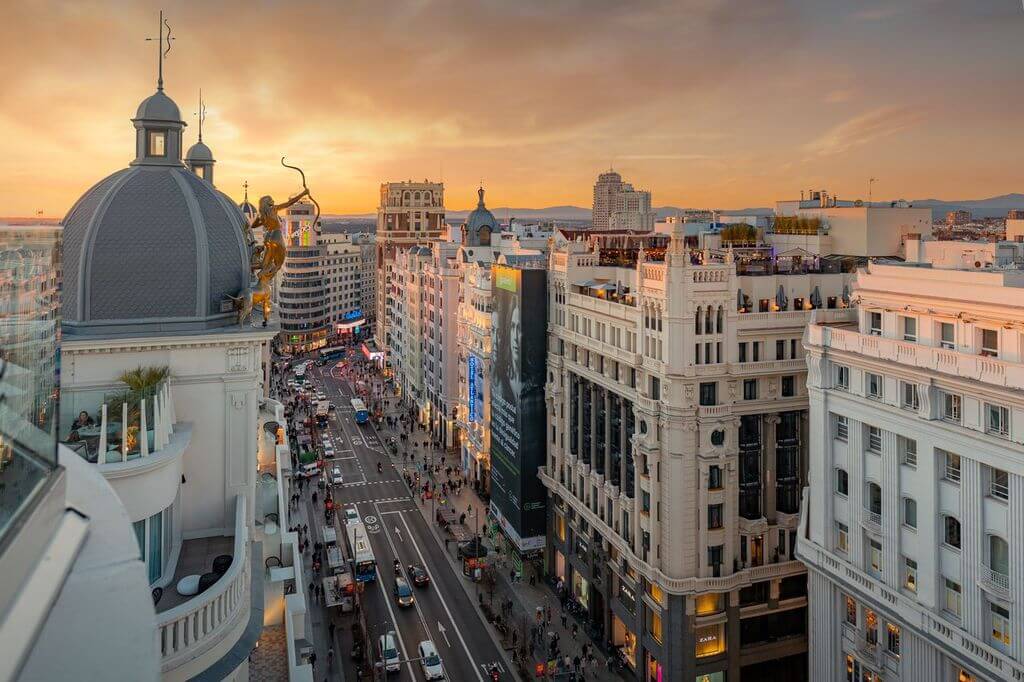
Home to some 3.5 million people, Madrid is the capital of Spain and the country’s largest city. Though it’s somewhat sprawling, the city boasts stunning architecture, incredible food, and an energetic nightlife that stretches until dawn. Over 10 million people visit the city each year, and the minute you step out to explore, you’ll understand why Madrid is one of Europe’s top destinations.
Like Barcelona, Madrid is a city that starts late and goes slow. It’s a city for night owls, where dinner starts late and the parties even later. But if you can embrace the laid-back pace of life, the slow meals, and the late-night vibes, you’ll have a more authentic visit and uncover the true beating heart of the city’s culture.
I love all my visits to Madrid. I’ve been a few times over the years and the city never ceases to amaze me. The food, the energy, the art (so much art!). Madrid is just cool.
Being such a big city, I know it can be easy to feel lost. Where do you start with what you want to do? Where do you go? It took me a few visits to figure it out.
In this post, I’ll help you plan an epic five-day visit to Madrid that will ensure you not only see the main sights but that you also get off the beaten path and see just what makes Madrid so popular — and all without breaking the bank either!
Day 1: Immersion in the Art Walk
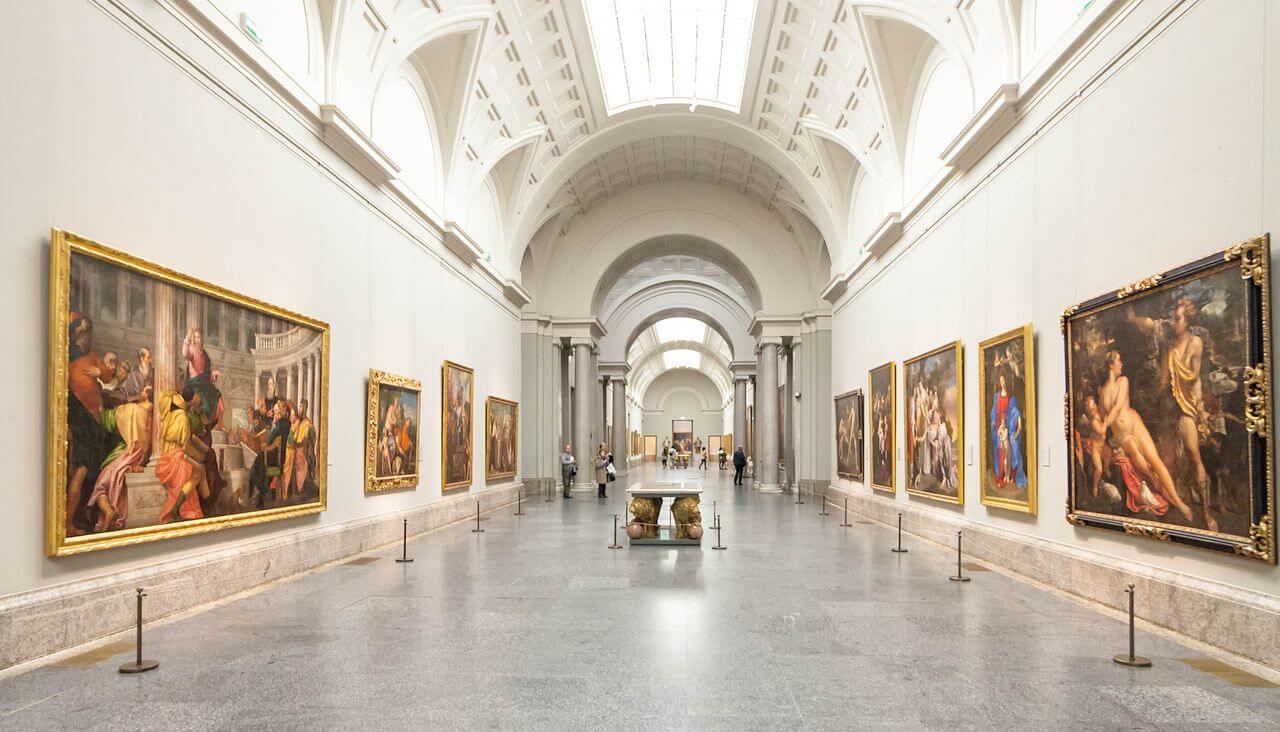
This first day focuses on a prestigious area designated as a UNESCO World Heritage site in 2021. There are over 40 monuments and over 40 buildings on the site. It’s easily one of the most picturesque and historic areas of the city.
The route begins at the Prado Museum, one of the best museums on the planet. Here you’ll find works from El Greco, Velázquez, and Goya, as well as many other masters (such as Rubens, Botticelli, and Caravaggio to name a few). If you only visit one museum in Madrid, this is the one. It’s incredible and worth taking the time to explore. It’s one of the biggest museums in the world, too. Make sure you spend a few hours here at a minimum.
Just a 10-minute walk along the Paseo del Prado, the journey continues at the Thyssen-Bornemisza Museum, a private collection spanning from the Renaissance to Pop Art, and culminates at the Reina Sofía Museum. The Reina Sofía National Art Center offers a fantastic collection of modern art. Works by masters like Picasso, Miró, Kandinsky, Dalí, and Bacon can all be found here. The centerpiece is Picasso’s famous Guernica, a 1937 oil painting considered the most moving anti-war painting in the world. While I don’t love modern art, even I enjoyed this museum.
After museum hopping, it’s time to dive into Madrid’s culinary scene. Try Taberna La Fragua de Vulcano for a rustic atmosphere perfect for sampling cocido madrileño. If you are near the Reina Sofía Museum, don’t miss the vibrant garden terrace at Arzábal, renowned for having some of the best croquetas in the city. Finally, for a unique setting, Bodega de los Secretos lets you dine in restored 17th-century wine caves, making it the most atmospheric choice near the Prado Museum.
After a late lunch, spend some time exploring Madrid’s unique ‘House Museums. These are former private palaces that preserve the intimate atmosphere of their original owners. The crown jewel of this collection is the Sorolla Museum, the sun-drenched former residence of ‘the painter of light.’ Following a major architectural renovation, this underrated museum is set to reopen its doors in 2026, offering a refreshed look at its stunning gardens and Mediterranean canvases.
Or if you want something else, there is also the nearby Museum of Romanticism, where you can enjoy a coffee in its secret garden, or visit the Lázaro Galdiano Museum to marvel at a private collection of Goya, Murillo, Velázquez, El Greco, or Bosch housed in a magnificent neo-Renaissance mansion.
In the evening, enjoy some food and relaxation.
Day 2: The Grandeur of the Historic Center
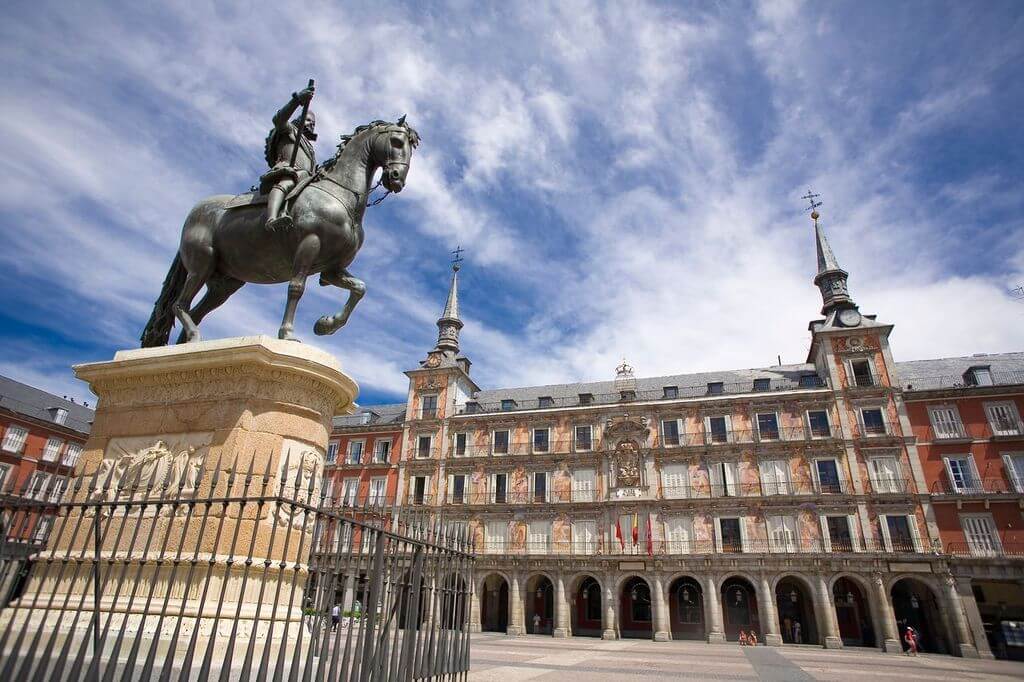
The second day delves into the medieval and Renaissance layout of the city, famously known as Habsburg Madrid (Madrid de los Austrias). The central hub is Puerta del Sol, where a photo at Kilometer Zero and the Bear and the Strawberry Tree statue are mandatory for a traveler’s geographic check-in. Kilometer Zero is the official starting point of all the highways and railways in the country, making this effectively the center of the entire country. There’s a small plaque you can snap a photo of.
Nearby is the Bear and the Strawberry Tree statue (El Oso y el Madroño). The statue shows a bear reaching up to eat fruit from a madroño tree, symbols which come from Madrid’s coat of arms (the bear represents the city and the tree represents the land and nature surrounding it that has helped make it prosper).
From here, walk toward the iconic Plaza Mayor, highlighting its porticoed architecture and the Casa de la Panadería. Plaza Mayor once hosted bullfights, markets, symphonies, tournaments, and even executions. Now it’s ringed with tourist shops, cafés, and restaurants. It’s a good place from which to indulge in some people-watching, offers some good (though overpriced) bars, and occasionally has concerts and events.
For a true “Local Life” experience, stop for a calamari sandwich in the nearby alleys. Your taste buds will thank you.
After a relaxing lunch and some people watching, head to the Royal Palace of Madrid. The largest palace in Western Europe, the Baroque-style palace was built in the 18th century and is home to over 3,400 lavishly decorated rooms. It was originally built on a former 9th-century Muslim fort and today functions much like an art museum with numerous works, including pieces by Caravaggio, Juan de Flandes, and Francisco Goya. Though it’s the official residence of the royal family, they don’t actually live here anymore, and the palace is only used for official state functions. You can walk through the palace (both self-guided and guided tours are available), starting at the grand stairway, and wander through lavishly decorated staterooms. There’s also the Royal Armory, which houses a collection of medieval weapons and armor.
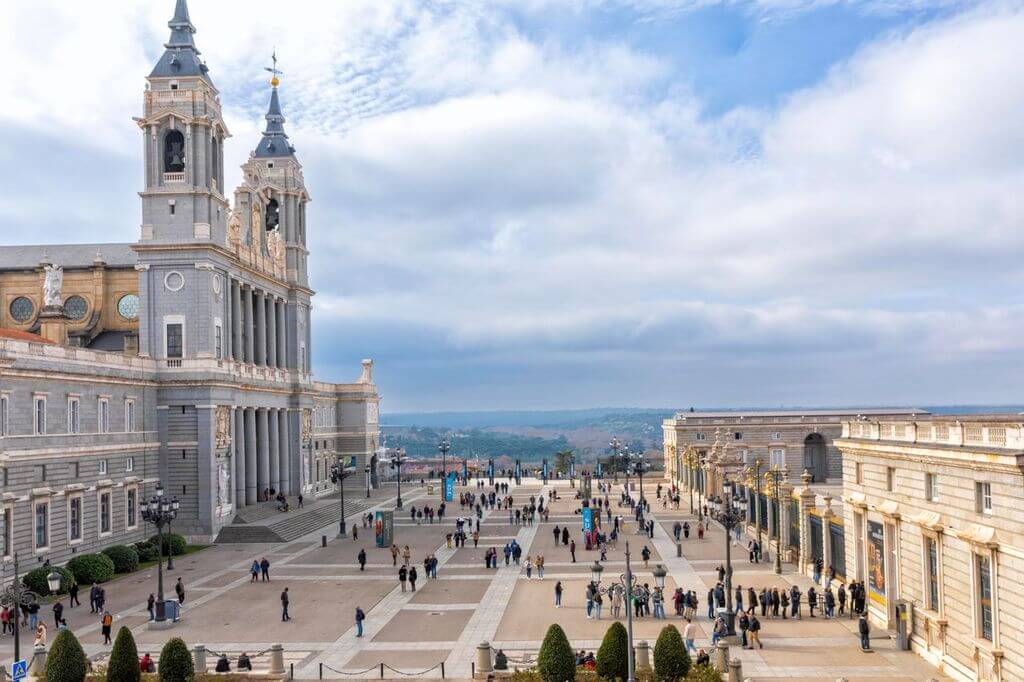
To end the day, head to the Almudena Cathedral. Unlike many of the famous medieval churches in Europe, this one was constructed in the late 19th century. It was finally completed in 1993 and was consecrated by Pope John Paul II. While the exterior has a Neo-Classical design (to match the nearby palace), the cathedral also has a Neo-Romanesque crypt with over 400 columns that you can explore. Be sure to head up to the dome for stunning views out over the city.
Day 3: Culinary Discovery
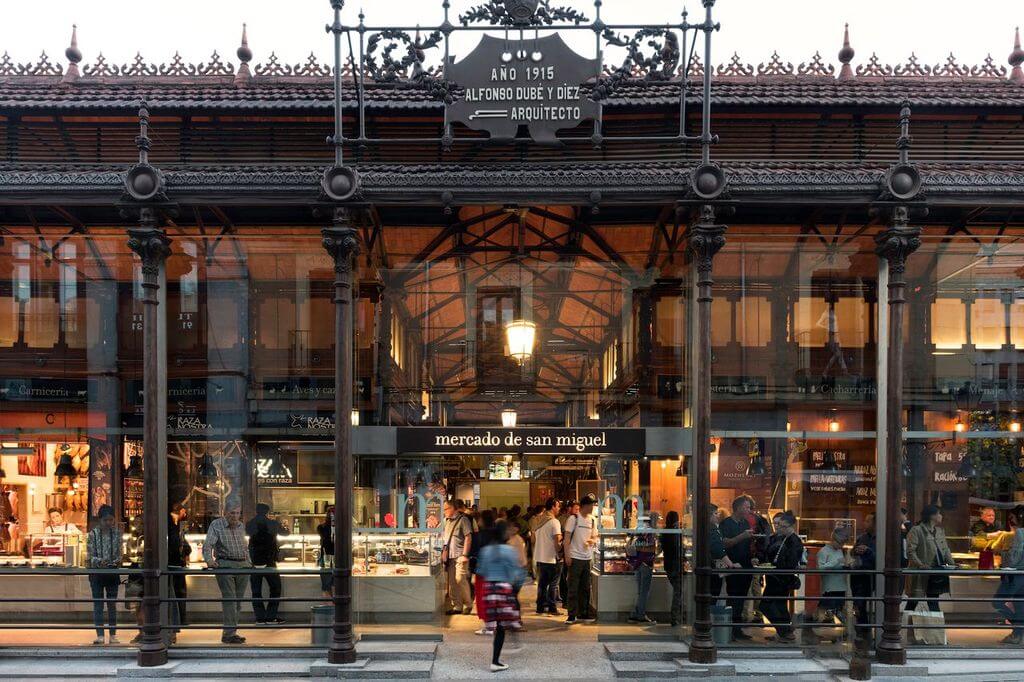
Madrid is a paradise for foodies. It’s one of the reasons I keep coming back. While there are plenty of food tours to take in Madrid, I suggest heading off on your own to explore. Begin at the city’s iconic gastronomic markets. The glass-walled Mercado de San Miguel is a must for gourmet tapas near Plaza Mayor. It’s popular with the after-work crowd and is a place I usually visit a few times on my trips. Additionally, local favorites like Mercado de San Antón in Chueca and Mercado de Vallehermoso offer a deeper dive into regional flavors. Just make sure to bring an appetite.
If you do want to take a food tour, consider doing a food tour. This post has more of my suggestions.
For dinner, head to Sobrino de Botín, officially recognized by the Guinness World Records as the world’s oldest restaurant. It was actually a favorite of Ernest Hemingway during his time in Madrid. For a more casual vibe, go ‘tapas crawling’ through the historic streets of La Latina or Barrio de las Letras.
As the sun sets, head to the Gran Vía to experience Madrid’s world-class rooftop culture. Venues like The Roof at Picalagartos or RIU, 360º sky bar offer signature cocktails and dinner with breathtaking 360-degree views of the skyline.
For those who don’t eat meat, Madrid has actually evolved into one of Europe’s best veg hubs, boasting a vibrant vegetarian and vegan scene in neighborhoods like Malasaña, where plant-based versions of traditional Spanish dishes are now a staple of the city’s diverse culinary identity.
Day 4: UNESCO World Heritage Wonders
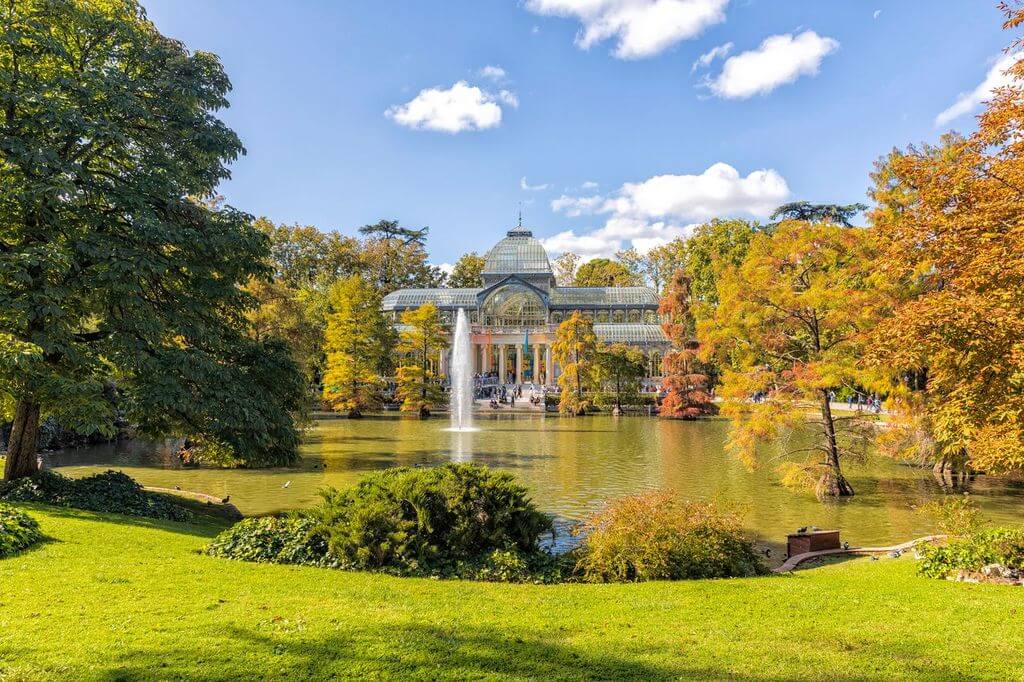
Madrid is the only European capital where nature, science, and royal history converge in a UNESCO World Heritage oasis known as the ‘Paisaje de la Luz‘ (Landscape of Light). But this prestigious area, encompassing the iconic El Retiro Park and the Paseo del Prado, is just the beginning of Spain’s monumental legacy. For more UNESCO wonders, take a day trip out of the city.
One popular destination worth visiting is the Monastery of San Lorenzo de El Escorial, a sprawling imperial masterpiece recognized by UNESCO for its historical significance. El Escorial is located just one hour from the city by car and was commissioned by Philip II in the 16th century. It’s a massive palatial complex that includes a monastery, library, palace, basilica, and tomb for Spanish monarchs. Yet as massive as it is, it feels more austere than other palatial complexes, likely owing to its granite walls and symmetrical layout.
Another option for a day trip is the Royal Palace and Gardens of Aranjuez, a World Heritage Cultural Landscape that rivals the beauty of Versailles. Located just one hour south of the city, this was originally a hunting lodge, also commissioned in the 16th century by Philip II. It’s a blend of Renaissance and Baroque styles, with lavish rooms filled with tapestries, porcelain, and ornate decorations. There is lots of greenery and gardens here, which is partly why the royal family used this as their spring residence.
Lastly, there’s the historic university city of Alcalá de Henares, the birthplace of Spanish novelist, poet, and playwright Cervantes (he wrote Don Quixote). Just 45 minutes away by car, it also holds its own UNESCO World Heritage status, offering a perfectly preserved look into the Spanish Golden Age (1492–1659).
Day 5: Off-the-Beaten-Path Treasures
On your last day, it’s time to get further off the beaten path. Step back into the Golden Age at the Monastery of Las Descalzas Reales and the nearby Royal Monastery of La Encarnación, two hidden palaces that house breathtaking royal art collections behind their cloistered walls.
The Monastery of Las Descalzas Reales is a convent founded in 1559 by Joanna of Austria (sister of Philip II). The name “Descalzas Reales” (which means “Royal Barefoot Ladies”) refers to the Order of Saint Clare nuns who lived here in relative austerity. What makes this monastery unique is that many aristocratic women took refuge here, often bringing their artworks and other valuables. Over the years, this turned the convent into a veritable treasure trove of art.
The Royal Monastery of La Encarnación was founded in 1611 by the wife of Philip III, Margaret of Austria. It was a royal convent, meaning it had the direct support of the monarchy. While the exterior has an austere Baroque style, the interior is quite lavish, with ornate chapels, colorful frescoes, and lots of religious sculptures and paintings. It’s also home to several notable relics, including a vial said to contain the blood of Saint Januarius. While tours are available, it’s still an active convent so parts are not open to the public (which, honestly, makes it all the more interesting to see).
To end your day with a local touch, head to the vast Casa de Campo park. This is the largest public park in the city, created in 1931. It covers a whopping 17 square kilometers (6.5 square miles) and includes an artificial lake, lots of paths, a zoo, and even an amusement park. Here, you can enjoy a scenic lunch or dinner at one of the lakeside terraces, offering an unrivaled view of the Royal Palace and Almudena Cathedral across the skyline. It’s the perfect place to end your trip.
***
While Barcelona tends to get more attention, I think Madrid is one of the best cities in Europe. It boasts a mouthwatering culinary scene, a raucous nightlife, and tons of things to see and do — no matter your interest or budget. I’ve been visiting the city for almost two decades and never get tired of the tapas, architecture, and history. The city just packs so much in and there really is something for everyone here. By following the itinerary above, you’ll see all the main sights while also getting off the beaten path in Spain’s historic capital.
Get Your In-Depth Budget Guide to Europe!
My detailed 200+ page guidebook is made for budget travelers like you! It cuts out the fluff found in other guides and gets straight to the practical information you need to travel while in Europe. It has suggested itineraries, budgets, ways to save money, on and off the beaten path things to see and do, non-touristy restaurants, markets, bars, safety tips, and much more! Click here to learn more and get your copy today.
Plan your trip to Europe like a pro
Get all my best Europe travel tips as well as free planning guides sent straight to you and see more of the country for less!
Book Your Trip to Madrid: Logistical Tips and Tricks
Book Your Flight
Use Skyscanner to find a cheap flight. They are my favorite search engine because they search websites and airlines around the globe so you always know no stone is left unturned!
Book Your Accommodation
You can book your hostel with Hostelworld as they have the biggest inventory and best deals. If you want to stay somewhere other than a hostel, use Booking.com as they consistently return the cheapest rates for guesthouses and cheap hotels.
Don’t Forget Travel Insurance
Travel insurance protects you against illness, injury, theft, and cancellations. It’s comprehensive protection in case anything goes wrong. I never go on a trip without it as I’ve had to use it many times in the past. My favorite companies that offer the best service and value are:
- SafetyWing (best for everyone)
- Insure My Trip (for those over 70)
- Medjet (for additional evacuation coverage)
Looking for the Best Companies to Save Money With?
Check out my resource page for the best companies to use when you travel. I list all the ones I use to save money when I’m on the road. They save you money when you travel too.
Want More Information on Madrid?
Be sure to visit my robust destination guide on Madrid for even more planning tips!
The post Madrid 5-Day Itinerary: A Guide to Culture, Gastronomy, and Local Life appeared first on Nomadic Matt's Travel Site.
-------------------------
By: Matthew Kepnes
Title: Madrid 5-Day Itinerary: A Guide to Culture, Gastronomy, and Local Life
Sourced From: www.nomadicmatt.com/travel-blogs/madrid-five-day-itinerary/
Published Date: Wed, 06 May 2026 07:50:57 +0000
Read More
Did you miss our previous article...
https://prohealthsciences.com/pandemic-news/how-the-antigravity-360-drone-will-change-your-travels
 General Health and WellnessFitness and ExerciseSupplements and VitaminsPandemic NewsVideosPrivacy PolicyTerms And Conditions