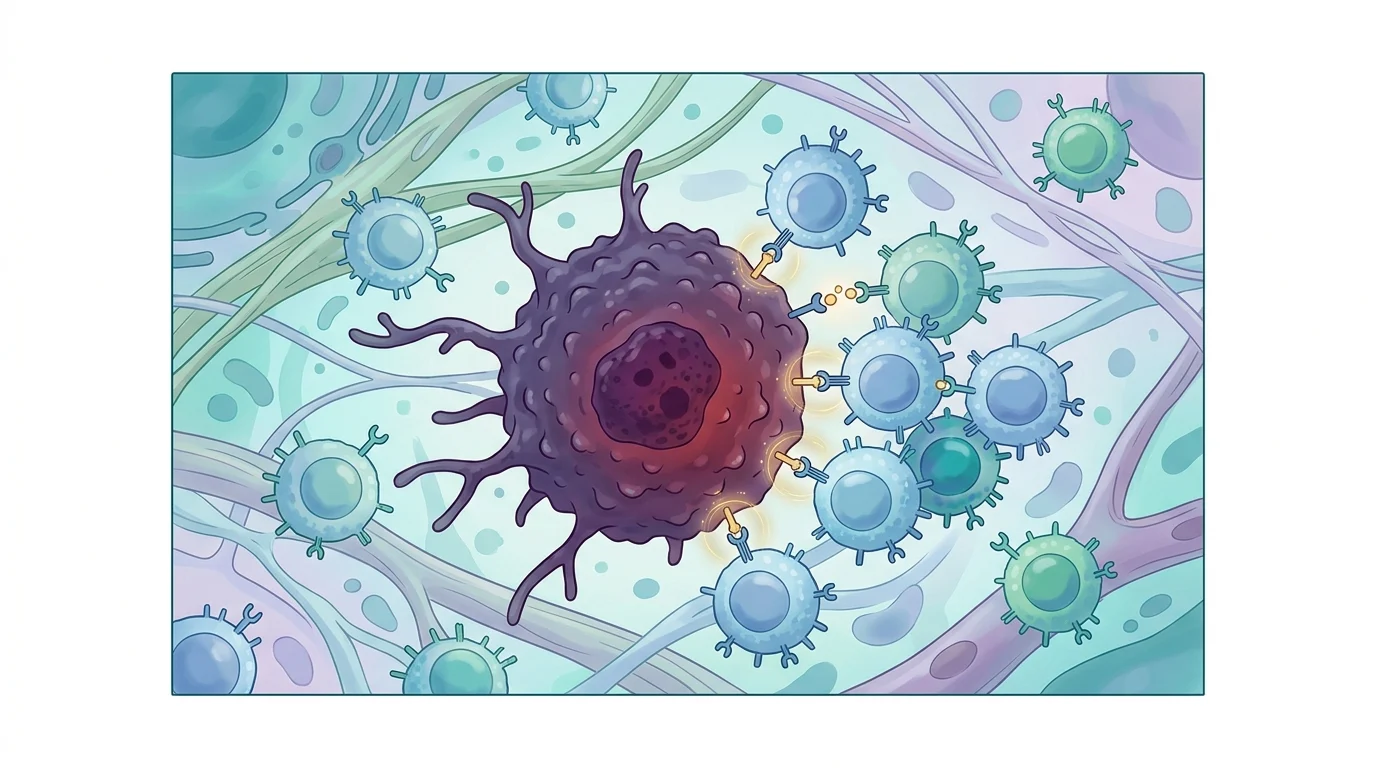

The pursuit of a universal vaccine for cancer has shifted from a theoretical goal to a data-driven clinical reality, though recent trial results suggest the “vaccine” of the future will not be a single shot, but a highly personalized manufacturing process. In August 2026, Moderna and Merck announced that their individualized mRNA therapy, intismeran (V940), successfully met its primary endpoint in the Phase 3 INTerpath-001 trial, significantly improving recurrence-free survival in patients with high-risk melanoma.
This milestone represents the first successful Phase 3 readout for an individualized mRNA cancer therapy. Unlike traditional preventative vaccines, such as those for HPV or Hepatitis B, intismeran is a therapeutic vaccine designed to treat patients who already have cancer. The treatment is custom-built for every individual: researchers sequence the DNA of a patient’s tumor and healthy tissue to identify mutations, then engineer an mRNA sequence that encodes up to 34 “neoantigens”—proteins unique to that specific person’s cancer. This instructs the immune system to recognize and attack any remaining malignant cells.
The Barrier of ‘Cold’ Tumors
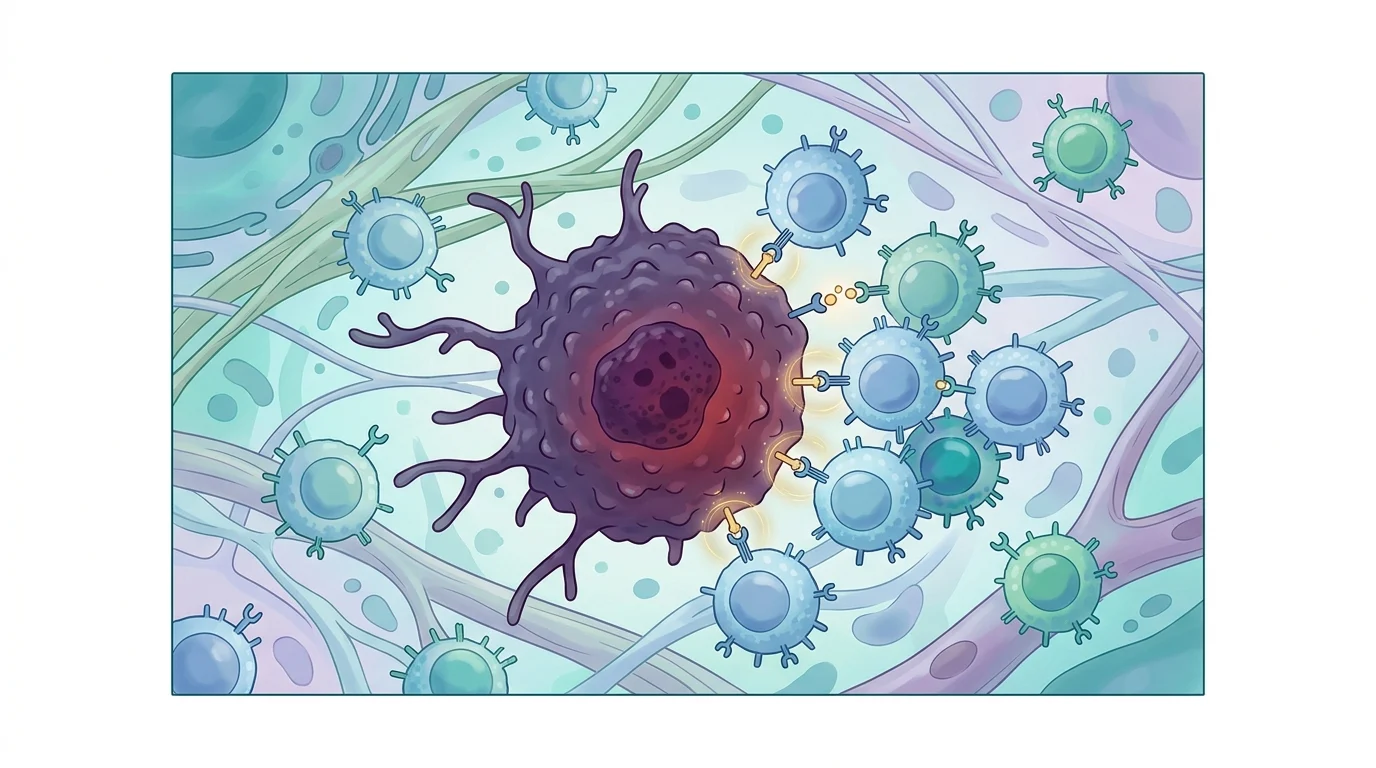
While the success in melanoma demonstrates the potential of mRNA technology, biological hurdles remain for other types of cancer. In the same month as the Moderna success, BioNTech announced it would discontinue its Phase 2 trial of the personalized mRNA vaccine autogene cevumeran (BNT122) for colorectal cancer. The trial was halted due to a lack of efficacy, highlighting a fundamental challenge in oncology: the distinction between “hot” and “cold” tumors.
Melanoma and certain lung cancers are often “immunologically hot,” meaning they contain high numbers of immune cells and many mutations that the immune system can easily recognize. Conversely, colorectal and pancreatic cancers are frequently “cold,” utilizing biological mechanisms to hide from the immune system or create a physical environment that prevents T-cells from penetrating the tumor. The failure of the BNT122 colorectal trial suggests that for many cancers, a vaccine alone may not be enough to overcome these localized defenses.
Beyond mRNA: Multi-Modal Breakthroughs
The search for a total cure is currently expanding beyond vaccines to include targeted small-molecule drugs that can complement immunotherapy. In August 2026, the FDA approved daraxonrasib (sold as Rasonque), a RAS-inhibitor pill for metastatic pancreatic cancer. This targeted therapy attacks the specific genetic driver of the disease, rather than relying on the immune system to identify the tumor on its own.
Progress is also visible in lung cancer research. BioNTech’s BNT116, an mRNA vaccine for non-small cell lung cancer, showed a 65% partial response rate in a Phase 1 trial when combined with traditional chemotherapy and immunotherapy. These results indicate that the future of oncology likely lies in combination therapy—using mRNA vaccines to prime the immune system while using drugs like daraxonrasib to weaken the tumor’s defenses.
As these technologies move toward standard care, the primary challenge is transitioning from small-scale trials to global distribution. Personalized vaccines require a unique manufacturing run for every single patient, a process that is currently expensive and time-consuming. To address this, the UK’s NHS Cancer Vaccine Launch Pad has set a goal to recruit up to 10,000 patients for immunotherapy trials by 2030, aiming to streamline the logistics of custom-made cancer treatments. While a single vaccine for “every” cancer is biologically unlikely, the ability to engineer a specific vaccine for any individual patient’s cancer is rapidly becoming the new clinical standard.
The post Moderna and Merck Report Successful Phase 3 Results for Personalized mRNA Cancer Therapy appeared first on World Weekly News.
-------------------------
By: Derrick Santistevan
Title: Moderna and Merck Report Successful Phase 3 Results for Personalized mRNA Cancer Therapy
Sourced From: www.worldweeklynews.com/moderna-and-merck-report-successful-phase-3-results-for-personalized-mrna-cancer/
Published Date: Tue, 06 Oct 2026 03:48:16 +0000
Did you miss our previous article...
https://prohealthsciences.com/pandemic-news/nomad-citizen-a-new-social-safety-net-for-entrepreneurs