---------------------------------------
Three years ago, Justin Zheng, an entrepreneur in San Francisco, lay groggy in bed while a group of venture capitalists twiddled their thumbs waiting for him. “I completely forgot this meeting was scheduled,” Zheng recalls. After his no-show, they forgot about him—and the possibility of backing his startup.
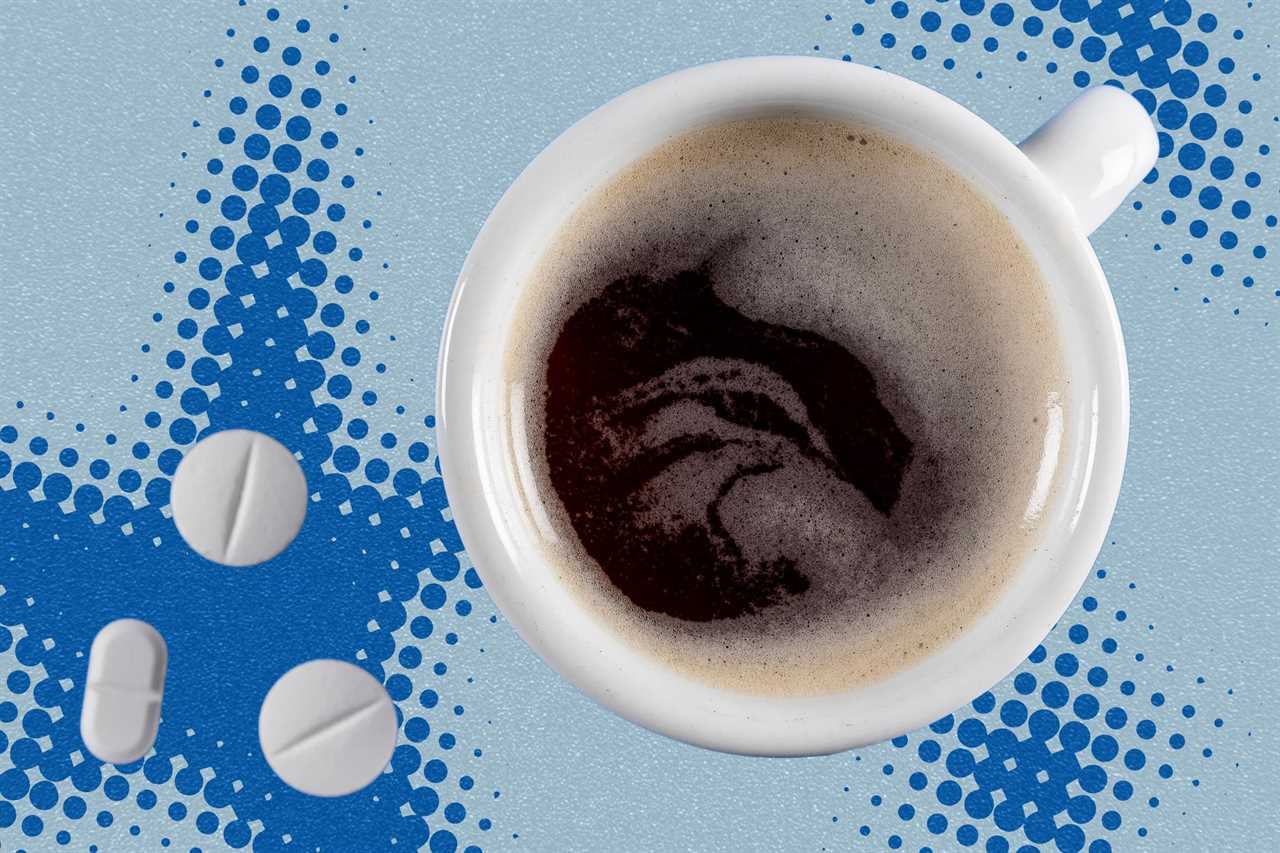
Zheng, 25, has struggled with waking up in the morning as far back as he can remember. About a year ago, though, he heard about a supplement designed to bring more pep into your morning step. Known as delayed-release caffeine pills, they’re taken right before sleep, and the caffeine stays dormant until you need to rise from bed.
[time-brightcove not-tgx=”true”]
Zheng’s difficulty with waking, called sleep inertia, is widespread. More than 15% of Americans have a severe form of it, according to one analysis, while many others are occasionally affected.
“There is huge variability among individuals when it comes to sleep inertia,” says Hans-Peter Landolt, a pharmacology professor at the University of Zurich who has studied delayed-release caffeine pills. “Some people suffer for hours every morning.”
Here’s what to know about delayed-release caffeine pills and whether they work.
How pills counter sleep inertia
About 1 in 3 adults don’t get enough sleep. These deficits can derail health, increasing the risk of chronic conditions like obesity, heart disease, and anxiety.
Several factors contribute to poor sleep, and a few of them are largely outside of our control, including modern-day schedules for work and school. These often interfere with natural circadian rhythms, especially for teens and young adults. Some people are wired to stay up late but are “forced to get up at 7 a.m. every day,” says Jason Jin, founder of Zest, a company that sells delayed-release caffeine pills. “They’re constantly fighting against their own biology.”
Most people have some trouble waking up early, but it’s more debilitating when you wake abruptly from deep slow-wave sleep. This happens if the alarm is blaring early even though you’re still sleep-deprived. The resulting fatigue can take two to four hours to wear off, as parts of the brain gradually come back online.
Zest isn’t the only company that makes delayed-release caffeine pills for addressing this issue. Formulations differ, but for most of them, after you swallow the pill, its outer shell stays intact for a number of hours, letting you sleep. When the body breaks it down, the caffeine starts affecting you. (Morning, sunshine.)
Read More: Are Plastic Cutting Boards Safe?
In 2021, before these companies formed, Landolt studied a prototype of this kind of pill to see if it would actually work. “It had the exact effect you would expect,” he says, “peaking seven hours after taking it, just before wake-up.” A co-author on this pilot study went on to start a company, Galventa, that sells delayed-release caffeine pills. (Landolt himself has no financial interest in any supplements.)
As morning coffee-drinkers know, pills aren’t required for a nice early-morning buzz. But for people with sleep inertia, the buzz from coffee doesn’t come fast enough. “They have to wait about 30 minutes before the caffeine actually reaches the brain to start feeling less tired,” Landolt says. By then, they’re already at-risk of missing the bus or big meeting.
Jin thinks additional benefits are rooted in our psychology. Waking up refreshed can create momentum for your morning. An energetic rise-and-shine could spur you to make your bed, for instance, and the resulting sense of self-efficacy may reinforce your will to take a jog, setting the stage for a healthy breakfast. “You start stacking up wins that make you feel resilient, and your day goes much better as a result,” Jin says.
Sleep quality and smoother wake-ups
Landolt’s study did show a potential drawback: because the pill’s shell around the caffeine broke down gradually during sleep, he explains, tiny amounts of caffeine dripped into the bloodstream hours before the intended wakeup. This caffeine wasn’t enough to jolt people awake, but it reduced sleep quality, Landolt says.
Galventa sprays polymers around the caffeine that ensure “zero caffeine enters the blood until the seventh hour,” says Sascha Fritsche, the company’s co-founder and CEO. At that point, the caffeine is released gradually, supporting a more stable, longer-lasting buzz without an afternoon crash, Fritsche says.
Read More: Is Taking a Cold Shower Good for You?
Jin’s company, Zest, formulated its pills for smoother and calmer wakeups, minus any caffeine-related jitters. “The caffeine on its own can feel a little sharp,” Jin says. Zest’s pill includes L-theanine, an active compound in green tea, for this mellower first-thing buzz.
Delayed-release caffeine pills are sold in the U.S. as supplements, it should be noted, not medical treatments, so companies are not required to prove safety or efficacy.
Trial-and-error
Jin—like some of his customers—has battled sleep inertia his whole life. In college, he kept an energy drink by his bed to chug it right after his alarm sounded. “Then I’d go back to sleep for 30 minutes,” hoping for a more blissful wakeup. It never came; he’d just keep hitting the snooze button. “Snoozing disoriented me more and made my sleep inertia worse,” he says. “Founding my company was very much about solving my own pain points.”
However, people have different tolerance levels for caffeine and speeds for metabolizing it. “Everyone’s biochemistry is different,” explains Michael Grandner, director of the Sleep Health Research Program at the University of Arizona.
Zheng, the San Franciscan, says he takes his delayed-release caffeine pill about every other day, partly to avoid building tolerance to caffeine that might blunt the effects of his energy drinks later on. He says they’re especially helpful for nights before early meetings or travel.
Fritsche takes his company’s pill about twice per week—for example, when he plans to hit the ski slopes early to beat the crowds.
Read More: Why You Feel Anxious After Drinking Coffee
Don’t run your first experiment with these pills before a high-stakes morning activity, Grandner says. A little trial-and-error can reveal how well you’ll sleep and when the caffeine will wake you. “At least practice with it a couple times,” he says.
You may find you’re woken too early or the end of your sleep session is too shallow—like a movie you enjoyed until an awful last scene, ruining the whole experience, Grandner says.
And these aren’t for kids, Fritsche says The American Academy of Pediatrics recommends kids limit caffeine; adolescents should have no more than 100 mg daily, according to the group. For both Galventa and Zest, each pill contains 40 mg, about half as much as an 8-oz. cup of coffee. In addition, people who are pregnant, nursing, or have a medical condition should use with caution.
Food is another variable to consider. People in Landolt’s study who ate soon before bed and took the pill slept the worst, Landolt says. Fritsche says improvements to Galventa’s pill coatings have addressed this so that outcomes are not affected by meal timings.
Some influencers claim that if caffeine circulates in the body too close to wakeup, it blocks the natural rise of cortisol, an important hormone for daily health, and that it hijacks the brain’s ability to clear receptors for wakefulness. However, Grandner says little evidence supports these ideas. Landolt’s research found “exactly the opposite.” Other research finds that, with regular intake, first-thing caffeine doesn’t change a person’s cortisol rhythm.
Jin and Fritsche say their customers tend to be working parents, shift workers, and other people with early schedules. “We’re happy to help anyone dealing with low morning energy,” Jin says.
Try improving your sleep hygiene first
For severe sleep inertia, “behavioral interventions could certainly be as effective or more effective than these pills,” Landolt says.
If you’re drawn to sleep supplements due to anxiety about poor sleep, it’s better to directly address the underlying anxiety, Grandner says.
Sleep inertia is worsened by overall sleep deficits, so the optimal solution is simply getting more slumber, if you can. “Consistent sleep hygiene is probably the most important thing,” Fritsche says.
Grandner recommends an oft-overlooked aspect of sleep hygiene and healthy circadian rhythms: exposure to early morning light. But there’s a catch—morning light may not do much unless it’s mixed with another critical element. Research is showing that light exposure works best as a circadian cue when it’s combined with a short workout, Grandner says. At least in other mammals, changes in oxygen levels from exercise may help to signal wakeup.
“Go outside or turn on as much bright light inside as possible, and get some movement in,” Grandner says. You may sleep better, hop out of bed early the next day, and start stacking wins, no pills required.
-----------------------------------------
By: Matt Fuchs
Title: Do Delayed-Release Caffeine Pills Really Help You Wake Up?
Sourced From: time.com/7338498/slow-delayed-release-caffeine-pills-do-they-work/
Published Date: Mon, 08 Dec 2025 13:00:00 +0000
Read More
Did you miss our previous article...
https://prohealthsciences.com/general-health-and-wellness/how-to-say-i-told-you-so-in-a-more-effective-way
 General Health and WellnessFitness and ExerciseSupplements and VitaminsPandemic NewsVideosPrivacy PolicyTerms And Conditions